# Roof Sandwich Panel Supplier Evaluation Checklist
*Fuqiang Panels Technical Team | Published October 9, 2026*
**Meta description:** Compare roof sandwich panel suppliers using a practical checklist for specifications, structural evidence, quality control, packaging, lead time and export support.
## Start with the project brief
A roof sandwich panel supplier should be evaluated against the building, climate, design loads and installation method, not a generic product description. Before requesting quotations, send suppliers the roof plan, support spacing, target thermal performance, site exposure, drainage direction, fire requirements and delivery destination. Ask each supplier to mark assumptions and exclusions in writing.
This gives distributors and contractors a like-for-like basis for comparison. It also exposes gaps early: a quote based only on panel thickness may omit support conditions, fasteners, flashings or unloading requirements that affect the installed roof.
## 1. Verify the panel specification line by line
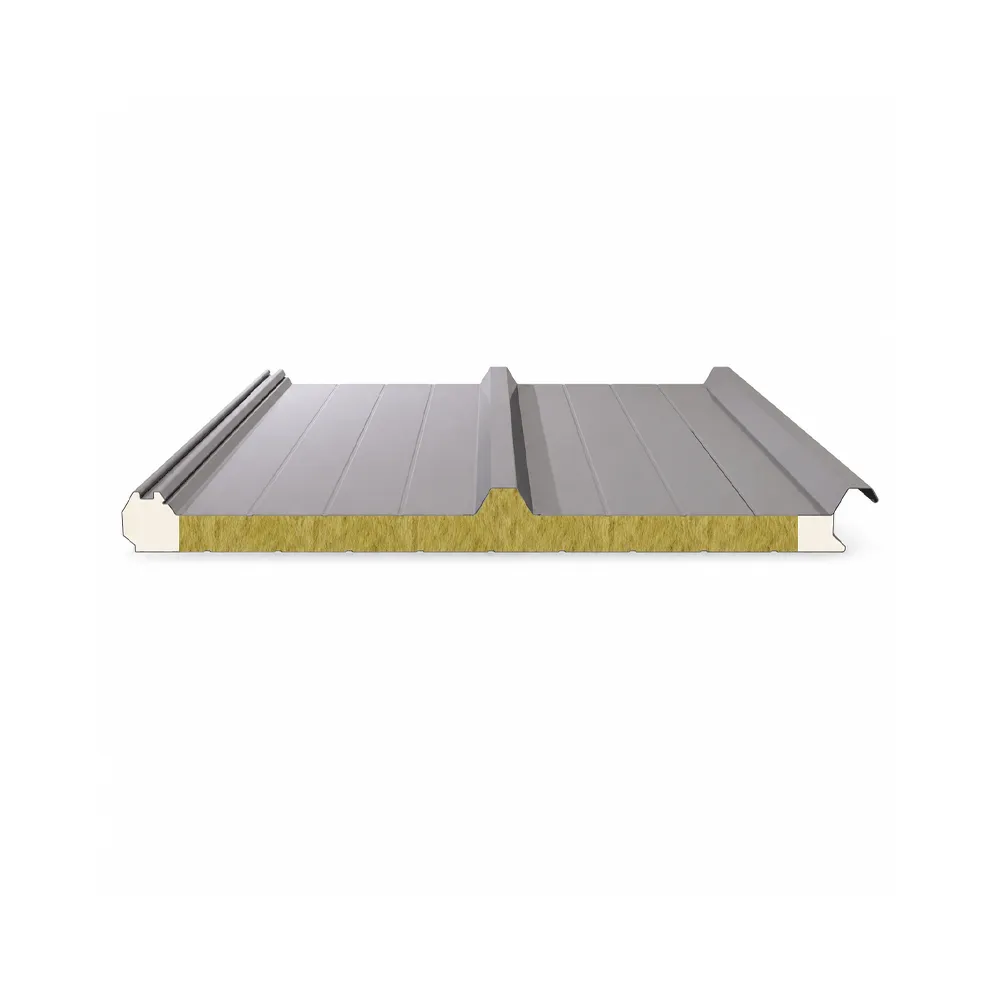
Request a schedule that identifies the core type, panel thickness, effective cover width, facing material and thickness, coating system, joint profile, panel length limits and available colors. Confirm whether dimensions refer to the overall thickness or another measurement. For a concealed-fastener roof, ask for the joint drawing and the matching installation detail.

Do not treat two panels as equivalent because both are described as insulated metal roofing. Core material, face thickness, profile geometry and connection details can differ. Compare the proposed panel with the project’s specified build-up and identify every substitution before approval.
Explore Fuqiang’s roof panel selection guide and ask the supplier to identify the exact profile and construction being quoted.
## 2. Request structural evidence for the proposed arrangement
Ask for load-span tables or engineering documentation that corresponds to the exact panel construction and support arrangement. Check the stated load type, support conditions, span definition, deflection criterion, fastener pattern and applicable limitations. A table without its assumptions is not enough to approve a roof design.
Where wind uplift, snow, maintenance access or unusual support spacing governs, send the design conditions to the project’s responsible engineer. The supplier’s general product information is not a substitute for project-specific structural approval. Confirm which party is responsible for calculations and stamped documents, if required locally.
## 3. Match performance claims to documents
For thermal, fire, acoustic or corrosion requirements, request reports or declarations that identify the tested or assessed construction. Check whether the panel core, facings, joints and installation conditions in the document match the quoted assembly. Ask about validity, scope, laboratory or issuing body, and permitted variations.
Compared with a generic roof covering, an insulated sandwich panel integrates the outer skin, insulation core and inner face into one factory-made element. That can simplify installation, but it makes correct jointing, support and penetration details more important. A performance claim for one build-up should not be transferred to a different one without technical confirmation.
## 4. Check production control and inspection records
Ask how incoming materials, line settings, bonding, dimensions, finish and finished panels are checked. Useful evidence includes inspection criteria, sample records, nonconformance handling and traceability from production lot to shipment. If the order is large or specifications are critical, agree on a pre-production review and inspection hold points before placing the order.
Clarify how the supplier handles panels that arrive with damaged edges, coating defects or dimensional deviations. Obtain the notification window, evidence required, replacement or remedy process and the person responsible for claims. This is more actionable than an unsupported statement that every product is inspected.
## 5. Confirm accessories and interface details
List ridge caps, eaves, verges, gutters, closures, sealants, fasteners and penetration flashings in the quotation. Match each item to the panel profile and substrate. Check whether accessories are standard, made to order or supplied by another party, and who coordinates dimensions between the roof panels and adjoining wall panels.
Review panel trims and accessories alongside the roof layout. An edge condition that is not defined on drawings can lead to field fabrication, extra labor or water-management problems.
## 6. Compare customization, capacity and lead time
Ask for the available panel lengths, color options, minimum order quantities, production slot and realistic dispatch window. Confirm what changes reset the lead time: revised drawings, custom colors, nonstandard lengths or late accessory decisions. Request a dated production and shipping plan rather than relying on a verbal estimate.
Capacity statements should connect to the order: number of production shifts or lines allocated, output sequence, inspection timing and how partial shipments are handled. A supplier may offer broad customization, but custom items can add approvals, minimum quantities or longer procurement time. Record these trade-offs against the project schedule.
## 7. Review export packing and delivery responsibilities
For international orders, ask for the packing method, bundle identification, edge protection, loading plan and documents supplied with the shipment. Confirm the Incoterm and named place, who arranges freight and insurance, and who is responsible for export clearance, import charges, unloading and site storage. Request photographs of the actual loading arrangement for the first shipment when packaging risk is material.
The quote should distinguish product price from freight, duties, local handling and installation. If those costs are not included, mark them as open items rather than comparing the headline panel price alone. Also agree how damaged cargo is documented and reported to the carrier and supplier.
## 8. Use a weighted comparison, not a single low-price test
Score each supplier against the same categories: specification match, engineering evidence, quality records, accessory completeness, delivery plan, export terms and total quoted cost. Weight the categories according to project risk. A lower price may be appropriate when scope is genuinely equivalent; it is not comparable when structural documentation, trims or delivery responsibilities are missing.
Before award, close every exception in a written clarification log. Identify the approved drawing revision, final bill of materials, inspection requirements, delivery basis and change-control contact. Keep the signed quotation and technical submittal together so procurement and site teams are working from the same scope.
## Common questions buyers ask
What documents should I request from a roof sandwich panel supplier?
Request a product schedule, profile and joint drawings, applicable load-span evidence, performance reports for the specified assembly, inspection and traceability information, accessory list, packing details, delivery terms and a schedule with assumptions stated.
Is panel thickness enough to compare two suppliers?
No. Compare core type, facings, profile, effective cover width, joint, coating, structural evidence, accessories and installation assumptions as well as thickness. Confirm each item against the project specification.
How can I check whether a load-span table applies to my roof?
Match its panel construction, support arrangement, load type, span definition, fastener pattern and deflection limits to the design. Have the project’s responsible engineer confirm suitability for the actual loads and local requirements.
What should an export quotation clarify?
It should state the Incoterm and named place, freight and insurance responsibility, export and import clearance responsibilities, packing and loading scope, shipment documents, delivery estimate and the process for reporting transit damage.
When should I request a sample or pre-shipment inspection?
Request a sample when surface finish, color or joint fit needs approval. Agree inspection criteria and timing before production if the order has critical dimensions, a large quantity or costly replacement logistics.
## Next step
Send shortlisted suppliers one common project brief and ask them to return a marked-up specification, supporting documents and a list of deviations. Resolve the deviations before comparing final prices.
الأسئلة الشائعة
What documents should I request from a roof sandwich panel supplier?
Request a product schedule, profile and joint drawings, applicable load-span evidence, performance reports for the specified assembly, inspection and traceability information, accessory list, packing details, delivery terms and a schedule with assumptions stated.
Is panel thickness enough to compare two suppliers?
No. Compare core type, facings, profile, effective cover width, joint, coating, structural evidence, accessories and installation assumptions as well as thickness. Confirm each item against the project specification.
How can I check whether a load-span table applies to my roof?
Match its panel construction, support arrangement, load type, span definition, fastener pattern and deflection limits to the design. Have the project's responsible engineer confirm suitability for the actual loads and local requirements.
What should an export quotation clarify?
It should state the Incoterm and named place, freight and insurance responsibility, export and import clearance responsibilities, packing and loading scope, shipment documents, delivery estimate and the process for reporting transit damage.
When should I request a sample or pre-shipment inspection?
Request a sample when surface finish, color or joint fit needs approval. Agree inspection criteria and timing before production if the order has critical dimensions, a large quantity or costly replacement logistics.



 October 09, 2026