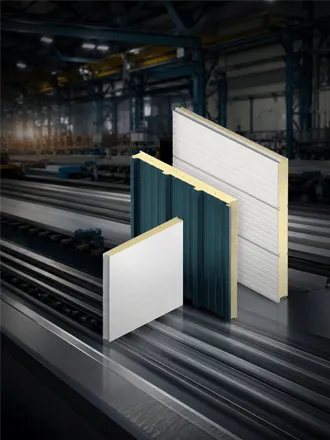
Modern industrial buildings need more than simple walls and roofs. They require energy efficiency, fire safety, durability, and reliable performance in different environments. Rock wool sandwich panel solutions have become a preferred choice for factories, warehouses, cold storage facilities, clean rooms, and commercial buildings because they combine thermal insulation, fire resistance, and structural strength.
Featured Snippet: What is a Rock Wool Sandwich Panel Specification?
A rock wool sandwich panel specification defines the structure, thickness, density, core material, steel plate type, insulation performance, and fire rating of the panel. A typical rock wool sandwich panel consists of two metal plates with a mineral wool core between them, providing excellent thermal insulation, sound insulation, and fire protection for industrial and commercial buildings.
Rock Wool Sandwich Panel Specification: Complete Guide to Fireproof Sandwich Panels for Industrial Buildings
What Are Sandwich Panels and Why Are They Widely Used in Construction?
The construction industry is continuously looking for faster and safer building solutions. Traditional brick walls and concrete structures often require longer installation times, higher labor costs, and more complex construction processes.
At Shandong Fuqiang Environmental Protection Materials Co., Ltd., we provide factory-direct insulated building envelope solutions for global construction projects. Our sandwich panels are designed for contractors, architects, developers, and international distributors who need reliable building materials with stable quality and customized specifications.
Sandwich panels are composed of three main layers:
| Component |
Function |
| Outer steel plate |
Provides protection, strength, and weather resistance |
| Insulating core |
Provides thermal and acoustic insulation |
| Inner steel plate |
Improves durability and surface protection |
The unique sandwich structure allows these panels to achieve excellent performance while maintaining lightweight characteristics. This makes them suitable for warehouses, workshops, prefabricated buildings, and industrial facilities.
Compared with traditional construction materials, modern sandwich solutions offer:
- Faster installation
- Lower construction labor requirements
- Better energy efficiency
- Improved building appearance
- Customized thickness options
For international buyers, choosing the right supplier is equally important as selecting the right product. A professional manufacturer can provide customized sizes, surface coatings, packaging solutions, and technical support for different projects.
What Is a Rock Wool Sandwich Panel and How Does It Work?
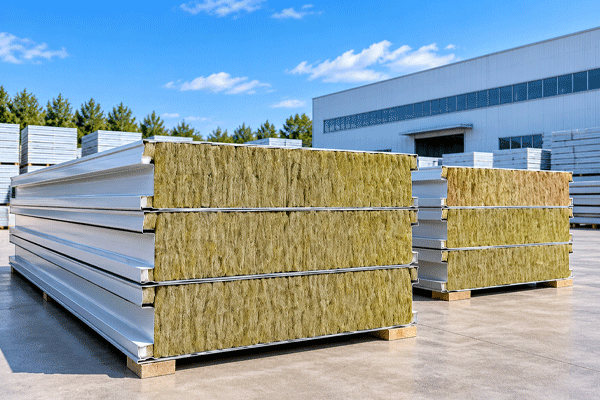
A rock wool sandwich panel is an insulated composite building material that uses rock wool as the main insulating core. It is specially designed for projects requiring strong fire resistance and reliable thermal performance.
The core material is produced from natural mineral materials that are melted and processed into fibers. This creates a stable structure with excellent insulation properties.
A typical rock wool sandwich structure includes:
| Layer |
Material |
Purpose |
| Exterior layer |
Color coated steel plate |
Protection and decoration |
| Middle layer |
Rock wool core |
Thermal insulation and fire protection |
| Interior layer |
Steel plate |
Structural support |
The combination of steel plates and mineral wool creates a durable building envelope system.
Unlike some traditional insulation materials, rock wool has strong fire performance because it is naturally non-combustible. This makes it suitable for factories, warehouses, workshops, and buildings where fire safety is a priority.
At Fuqiang, we manufacture different types of rockwool sandwich panel products according to project requirements, including wall systems, roof systems, and customized building panels.
Why Choose Rock Wool Sandwich Panel Instead of Polyurethane Sandwich Panels?
When selecting insulation materials, many buyers compare rock wool sandwich panels with polyurethane solutions.
Both materials have advantages, but they serve different project requirements.
| Feature |
Rock Wool Sandwich Panel |
Polyurethane Sandwich Panel |
| Fire resistance |
Excellent |
Good |
| Thermal insulation |
High |
Very high |
| Sound insulation |
Excellent |
Moderate |
| Fire safety requirements |
Suitable for high-risk buildings |
Suitable for general insulation needs |
| Application |
Industrial, cleanroom, warehouse |
Cold storage, commercial buildings |
Polyurethane panels usually provide better thermal insulation because polyurethane foam has lower thermal conductivity.
However, a rock wool sandwich panel provides stronger fire protection and sound insulation, making it ideal for projects where safety and acoustic performance are important.
For example:
- Manufacturing plants
- Chemical facilities
- Public buildings
- Fire-rated partitions
- Industrial workshops
Many architects and contractors choose mineral wool solutions because they need both insulation performance and reliable fire behavior.
What Are the Standard Specifications of Rock Wool Sandwich Panels?
The specification of a rock wool panel depends on several technical factors, including thickness, density, steel plate thickness, and application requirements.
Common specifications include:
| Item |
Standard Options |
| Panel thickness |
50mm, 75mm, 100mm, customized |
| Core material |
Rock wool / mineral wool |
| Density |
80–160 kg/m³ depending on application |
| Steel plate thickness |
0.3–0.8mm |
| Surface coating |
PE, SMP, HDP, PVDF |
| Application |
Wall panel, roof panel, partition system |
Among these specifications, thickness is one of the most important factors.
For example:
- 75mm rock wool panel is commonly used for industrial walls and partitions.
- 100mm rock wool sandwich panel provides stronger insulation and is suitable for projects requiring higher energy efficiency.
The density of the wool core also affects performance. Higher density usually improves mechanical strength, sound absorption, and fire resistance.
How Does Rock Wool Sandwich Panel Provide Fire Resistance?
Fire safety is one of the biggest reasons customers choose rock wool systems.
The mineral wool core can withstand high temperatures and maintain structural stability during fire exposure.
A high-quality fireproof rock wool sandwich panel can provide:
- Excellent fire resistance
- Better fire behavior
- Reduced flame spreading
- Improved building safety
For industrial buildings, fire protection is not only about meeting regulations. It also protects equipment, inventory, and employees.
Rock wool fibers are stable under high temperature conditions, which makes the material suitable for applications requiring high fire resistance.
Typical applications include:
- Industrial factories
- Warehouses
- Power facilities
- Clean rooms
- Fire-rated partitions
A properly designed sandwich panel roof and wall system can significantly improve overall building safety.
How Does Rock Wool Sandwich Panel Improve Thermal Insulation and Energy Efficiency?
Energy consumption has become a major concern for industrial and commercial buildings. Poor building insulation can increase heating and cooling costs, reduce indoor comfort, and shorten equipment service life.
A high-quality rock wool sandwich panel helps create an efficient building envelope by reducing heat transfer between indoor and outdoor environments. The mineral wool core provides stable thermal insulation performance while maintaining excellent fire safety.
The thermal insulation capability mainly depends on:
- Panel thickness
- Core material quality
- Density
- Installation method
- Joint sealing performance
For example, thicker panels such as 100mm rock wool systems usually provide better insulation performance than thinner options because they contain a larger insulating core.
The thermal conductivity of rock wool is relatively low, allowing the material to reduce heat loss in winter and heat gain in summer. This helps factories, warehouses, and commercial buildings achieve better energy efficiency.
At Fuqiang, we customize sandwich panels according to different climate conditions and project requirements, helping customers select suitable insulation solutions for various regions, including cold climates, tropical areas, and high-temperature environments.
Rock Wool Sandwich Panel Specification: Complete Guide to Fireproof Sandwich Panels for Industrial Buildings
What Are the Sound Insulation Advantages of Rock Wool Sandwich Panels?
Besides thermal performance, acoustic control is another important requirement for many buildings.
Industrial facilities often contain machinery, production lines, compressors, and other noise sources. Standard walls may not provide enough protection against noise transmission.
A rock wool sandwich panel uses a mineral wool structure that helps absorb sound energy and reduce external noise.
Compared with traditional insulation materials, mineral wool provides better acoustic performance because the fibers create a porous structure that improves sound absorption.
Typical applications include:
- Manufacturing workshops
- Equipment rooms
- Industrial partitions
- Recording spaces
- Commercial buildings
For projects requiring better acoustic insulation, customers may choose higher-density rock wool cores.
The combination of insulation and sound performance makes these panels a practical choice for modern industrial construction.
Many clients also select rockwool acoustic panels for areas where noise control is especially important.
How Are Rock Wool Sandwich Panels Used in Industrial and Commercial Buildings?
The application range of sandwich panels continues to expand because they combine strength, insulation, and installation efficiency.
At Shandong Fuqiang Environmental Protection Materials Co., Ltd., our products are supplied for different construction scenarios, including industrial facilities, warehouses, and specialized buildings.
Main Applications
| Application |
Recommended Product |
Main Benefits |
| Industrial factory |
Rock wool wall panel |
Fire safety and durability |
| Warehouse |
Rock wool sandwich panel |
Fast installation and insulation |
| Cold storage |
Insulated panels |
Temperature control |
| Clean room |
Hygienic sandwich system |
Easy cleaning and stable environment |
| Prefabricated building |
Lightweight panels |
Faster construction |
| Commercial buildings |
Decorative composite panels |
Modern appearance |
For industrial projects, the external walls and roofs must withstand weather conditions while maintaining insulation performance.
A properly designed rock wool panel system can support long-term building operation and reduce maintenance requirements.
What Is the Difference Between Rock Wool Panel and Other Insulation Panels?
Choosing the correct insulation material is an important decision for contractors and developers.
Different projects require different performance levels.
| Material |
Advantages |
Common Applications |
| Rock wool |
Fireproof, acoustic, durable |
Factories, warehouses, fire-rated buildings |
| Glass wool |
Lightweight and flexible |
Interior insulation |
| Polyurethane foam |
Excellent thermal insulation |
Cold rooms and energy-saving buildings |
| EPS |
Economical solution |
General buildings |
A rock wool panel is often selected when fire safety is a priority.
A polyurethane system may provide better thermal insulation properties, but rock wool offers advantages in fire protection and sound absorption.
For example:
A cold storage contractor may prefer polyurethane panels because temperature control is critical.
A factory owner may choose mineral wool sandwich panels because fire safety regulations require stronger protection.
Understanding the project requirements helps buyers select the correct solution.
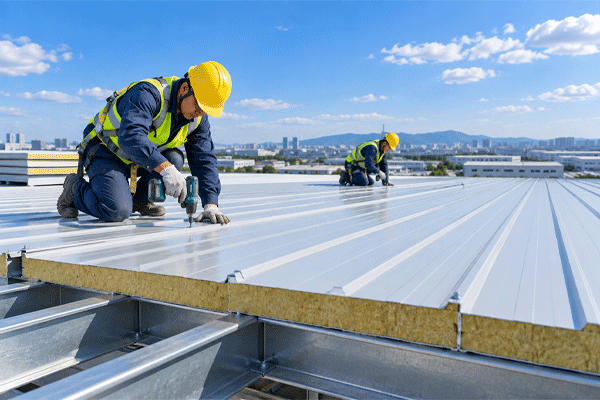
How Are Rock Wool Sandwich Panels Installed on Steel Structures?
Installation quality directly affects the final performance of insulated buildings.
Even the best sandwich panel can lose insulation performance if joints are poorly installed.
For buildings using a steel structure, installation normally includes:
- Steel structure inspection
- Panel positioning
- Fastener installation
- Joint sealing
- Surface inspection
During installation, contractors need to pay attention to:
- Panel alignment
- Connection strength
- Waterproof sealing
- Edge protection
- Thermal bridge reduction
Installing rock wool correctly ensures the building maintains its expected insulation and fire performance.
Fuqiang provides technical support for international customers, including product recommendations, installation guidance, and customized production solutions.
Why Are Fireproof Sandwich Panels Important for Modern Construction?
Modern construction projects increasingly focus on safety regulations and long-term operating costs.
A fireproof sandwich panel provides additional protection compared with ordinary building materials.
Buildings such as factories, warehouses, and clean rooms often contain valuable equipment and materials. Fire-resistant building systems help reduce risks and improve safety levels.
Key advantages include:
- Improved fire prevention
- Stable performance under high temperatures
- Better protection for internal spaces
- Compliance with project safety requirements
The fire behavior of construction materials is becoming a major factor during project design.
Architects and engineers increasingly consider thermal insulation and fire resistance together rather than separately.
A professional sandwich system can support both energy efficiency and safety goals.
How Does Fuqiang Customize Rock Wool Sandwich Panel Solutions for Global Buyers?
Different countries and projects have different construction standards.
A warehouse project in Europe may require different specifications from an industrial building in Southeast Asia or the Middle East.
As a China-based sandwich panel manufacturer, Shandong Fuqiang Environmental Protection Materials Co., Ltd. provides customized solutions including:
- Customized thickness
- Different steel plate colors
- Various core densities
- Special dimensions
- Export packaging
- Project-based supply
Our customers include:
- Construction contractors
- Building material distributors
- Prefabricated building manufacturers
- Industrial facility owners
- Cold storage contractors
- International importers
Example Project Scenario
A warehouse developer required insulated wall and roof systems for a large industrial facility.
The project requirements included:
- Strong fire performance
- Long service life
- Fast installation
- Stable insulation performance
After evaluating the building design, we recommended a customized rock wool sandwich system with suitable thickness and density.
The final solution helped the customer achieve:
- Faster construction progress
- Improved indoor temperature control
- Better fire safety
- Reduced future maintenance costs
This type of project demonstrates why selecting the right manufacturer is important for international construction projects.
How Should Buyers Choose the Right Rock Wool Sandwich Panel Specification?
Before purchasing, buyers should evaluate several factors.
1. Building Purpose
Different applications require different solutions.
Examples:
2. Panel Thickness
Common choices include:
- 50mm
- 75mm
- 100mm
- Customized thickness
Thicker panels usually provide better insulation but may increase project cost.
3. Core Density
The density affects:
- Mechanical strength
- Sound absorption
- Fire performance
Higher-density options are often selected for industrial applications.
4. Surface Material
The steel plate coating affects:
- Corrosion resistance
- Appearance
- Service life
Choosing suitable raw materials helps ensure long-term performance.
Rock Wool Sandwich Panel Specification: Complete Guide to Fireproof Sandwich Panels for Industrial Buildings
Final Summary: Key Things to Remember About Rock Wool Sandwich Panel Specifications
- Rock wool sandwich panels combine insulation, strength, and fire safety for modern buildings.
- The specification depends on thickness, density, steel plate quality, and core material.
- A rock wool sandwich panel is an excellent choice for factories, warehouses, clean rooms, and fire-sensitive projects.
- Mineral wool provides strong thermal insulation and sound insulation performance.
- Thickness options such as 75mm and 100mm are commonly selected for different building requirements.
- Rock wool systems offer excellent fire resistance compared with many traditional insulation materials.
- Professional manufacturers can provide customized solutions for international construction projects.
- Choosing the right supplier ensures stable quality, technical support, and reliable project delivery.
For contractors, developers, and global distributors looking for factory-direct insulated building envelope solutions, Shandong Fuqiang Environmental Protection Materials Co., Ltd. provides customized sandwich panels designed for modern construction needs.
FAQ
What is a rock wool sandwich panel used for?
A rock wool sandwich panel is mainly used for industrial buildings, warehouses, factories, clean rooms, prefabricated buildings, and commercial projects. It provides thermal insulation, fire resistance, and sound control.
Is rock wool sandwich panel fireproof?
Yes. Rock wool has excellent fire resistance because the mineral wool core is non-combustible. It is widely used in projects requiring strong fire safety performance.
What thickness of rock wool sandwich panel is commonly used?
Common thickness options include 50mm, 75mm, and 100mm. The best choice depends on climate conditions, building requirements, and insulation targets.
What is the difference between rock wool and polyurethane sandwich panels?
Rock wool provides better fire resistance and sound insulation, while polyurethane generally provides higher thermal insulation performance. The correct choice depends on project requirements.
Can rock wool sandwich panels be used for roofs?
Yes. Rock wool roof systems are widely used for industrial buildings, warehouses, and workshops. A suitable sandwich panel roof design can provide insulation, protection, and durability.
How long can rock wool sandwich panels last?
With proper installation and maintenance, high-quality sandwich systems can provide many years of reliable service. Service life depends on steel coating, environment, installation quality, and maintenance conditions.



 September 09, 2026