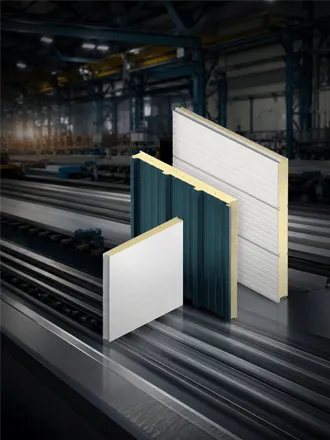
When purchasing metal sandwich panels, many buyers focus mainly on the total panel thickness and price. However, one important factor is often overlooked: steel facing thickness.
The thickness of the steel sheet directly affects the performance of insulated wall panels, including:
- Panel strength
- Surface rigidity
- Impact resistance
- Transportation performance
- Installation experience
- Long-term durability
For international construction projects, choosing the correct steel thickness is essential to ensure the right balance between performance, cost, and service life.
This article explains how steel thickness affects metal sandwich panels and how to select the right specification for different applications.
What Is the Steel Facing of a Metal Sandwich Panel?
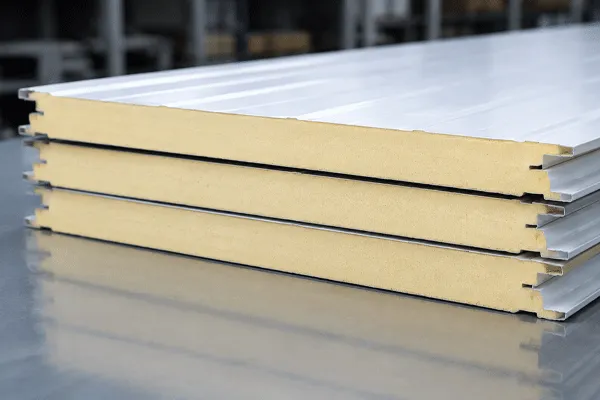
A metal sandwich panel is a multi-layer insulated building material consisting of:
- Steel Facing
- Insulation Core
- Backing Layer
The steel facing is the external protective layer of the panel. It provides:
- Surface protection
- Decorative appearance
- Structural rigidity
- Impact resistance
- Better surface stability
Common steel materials include:
- Galvanized steel
- Aluzinc steel
- Galvalume steel
- Pre-painted steel
The insulation core usually includes:
- Polyurethane (PU)
- PIR
- EPS
- Rock wool
The backing layer can be made from:
- Steel sheet
- Aluminum foil
- Reinforced fiber aluminum foil
Together, these layers determine the overall performance of the sandwich panel.
Metal Sandwich Panel Steel Thickness: How Does It Affect Panel Quality?
Why Is Steel Thickness Important for Metal Sandwich Panels?
Steel thickness is one of the key specifications that influences the quality and durability of insulated wall panels.
Common steel thickness options include:
- 0.20mm
- 0.25mm
- 0.30mm
- 0.35mm
- 0.40mm
- 0.50mm
The correct thickness depends on:
- Building type
- Installation method
- Panel length
- Climate conditions
- Transportation requirements
- Project budget
1. Steel Thickness Affects Panel Rigidity
One of the most important effects of steel thickness is panel rigidity.
Under the same steel material and grade conditions, a thicker steel facing generally provides better resistance against local deformation.
During transportation and installation, sandwich panels may experience:
- Handling pressure
- Stacking pressure
- Vibration
- Accidental impact
- Installation stress
A very thin steel surface may be more easily affected by external forces.
Choosing a suitable steel thickness helps maintain a smoother and more stable panel surface.
2. Thicker Steel Improves Impact Resistance
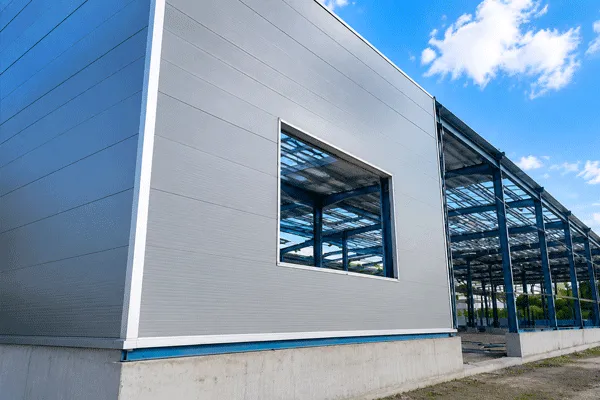
Exterior wall panels may face different impact risks during their service life, including:
- Tool contact
- Transportation damage
- Installation pressure
- Accidental collision
The steel facing protects the insulation core and helps maintain the appearance of the building surface.
Therefore, buyers should not compare sandwich panels only by price.
A better question is:
What is the actual steel facing thickness?
Not only:
What is the total panel thickness?
These two specifications are completely different.
3. Steel Thickness Influences Transportation Performance
For exported metal sandwich panels, transportation may involve thousands of kilometers before reaching the final construction site.
The transportation process may include:
Factory → Truck → Container → Sea Freight → Warehouse → Construction Site
During transportation, panels may experience:
- Vibration
- Loading and unloading
- Stacking pressure
- Manual handling
A suitable steel thickness combined with professional packaging can improve the panel’s ability to handle normal transportation conditions.
Metal Sandwich Panel Steel Thickness: How Does It Affect Panel Quality?
4. Steel Thickness Affects Installation Experience
A high-quality installation requires:
- A flat installation surface
- Proper fixing methods
- Correct accessories
- Suitable panel specifications
Steel thickness can influence how stable the panel feels during handling and installation.
However, installation quality depends on the complete system, including:
- Building structure
- Fixing method
- Installation accessories
- Installer experience
- Panel design
Steel thickness is an important factor, but not the only factor.
Does Thicker Steel Always Mean Better Corrosion Resistance?
Not necessarily.
Many buyers assume:
Thicker steel = Better corrosion resistance
However, corrosion performance depends on multiple factors:
- Steel material
- Zinc or Aluzinc coating
- Coating weight
- Surface paint system
- Climate conditions
- Humidity
- Salt exposure
- Installation environment
A professional evaluation should consider:
Steel Thickness + Coating System + Surface Finish + Application Environment
All these factors work together to determine durability.
Why 0.3mm Aluzinc Steel Facing Is a Balanced Choice
For decorative insulated wall panels, 0.3mm steel facing provides a practical balance between:
- Product weight
- Surface stability
- Strength
- Transportation efficiency
- Cost
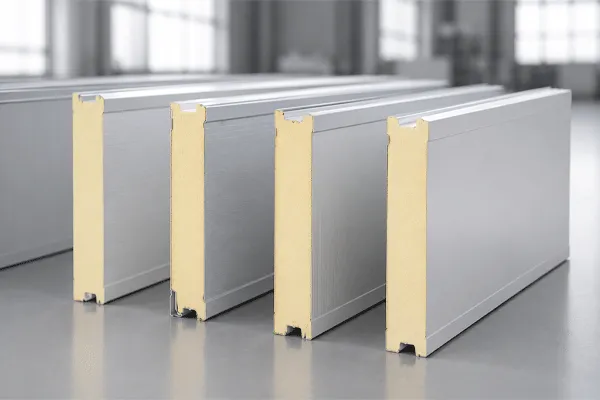
At Shandong Fuqiang Environmental Protection Materials Co., Ltd., our decorative PU insulated metal wall panels use:
0.3mm Aluzinc Steel Facing + High-Density PU Insulation Core
Metal Sandwich Panel Steel Thickness: How Does It Affect Panel Quality?
This structure provides reliable performance for decorative wall applications.
Advantages of 0.3mm Steel Facing
Better Surface Stability
Compared with thinner steel options, 0.3mm steel facing provides better surface stability during transportation, handling, and installation.
Improved Deformation Resistance
Suitable steel thickness helps reduce the risk of local deformation caused by external pressure.
Balanced Weight and Strength
Using thicker steel increases:
- Material consumption
- Panel weight
- Transportation cost
The goal is not simply to select the thickest steel.
The goal is to choose the right steel thickness for the application.
Steel Thickness Comparison
| Steel Thickness |
General Characteristics |
Typical Application |
| 0.20–0.25mm |
Lightweight and economical |
Cost-sensitive projects |
| 0.30mm |
Balanced strength and weight |
Decorative insulated wall panels |
| 0.35–0.40mm |
Higher surface rigidity |
Higher performance requirements |
| 0.50mm and above |
Increased material strength |
Industrial and engineering applications |
The final specification should always be selected according to the complete panel structure and project requirements.
Steel Thickness vs Total Panel Thickness
Many buyers confuse steel thickness with total panel thickness.
For example:
A 16mm sandwich panel does not mean the steel sheet is 16mm thick.
The total panel thickness includes:
- Steel facing
- Insulation core
- Backing layer
For example, a decorative PU insulated wall panel may include:
Steel Facing
0.3mm Aluzinc Steel
Insulation Core
High-density polyurethane (PU)
Backing Layer
Reinforced fiber aluminum foil
Total Panel Thickness Options
Available thicknesses may include:
How to Choose the Right Steel Thickness for Sandwich Panels?
Before purchasing metal sandwich panels, consider the application requirements.
For Interior Decoration
Focus on:
- Appearance
- Weight
- Budget
- Installation convenience
For Exterior Wall Cladding
Consider:
- Weather conditions
- Impact resistance
- Corrosion protection
- Thermal insulation
- Installation system
For Commercial Buildings
Consider:
- Building design
- Project requirements
- Local climate
- Long-term maintenance
For Industrial Buildings
Consider:
- Structural requirements
- Wind loads
- Environmental conditions
- Local regulations
Do Not Compare Sandwich Panels by Price Alone
Two sandwich panels may look similar but have completely different specifications.
Price differences may come from:
- Steel thickness
- Steel material
- Coating weight
- Surface coating
- PU density
- Panel width
- Backing material
- Production technology
Before comparing prices, always compare:
Specification to Specification
A lower price does not always mean the same product.
What Should You Ask Your Sandwich Panel Supplier?
When sourcing PU sandwich panels or metal insulated wall panels, confirm:
1. Steel Thickness
Ask for the actual steel facing thickness.
2. Steel Material
Examples:
- Galvanized steel
- Aluzinc steel
- Galvalume steel
3. Coating Specification
Confirm:
- Coating type
- Coating weight
- Surface paint
4. Insulation Core
For PU panels, check:
- PU density
- Thermal insulation performance
5. Total Panel Thickness
Common options:
6. Panel Width
Panel width affects:
- Installation efficiency
- Number of joints
- Transportation planning
Why Choose Fuqiang PU Insulated Wall Panels?
At Shandong Fuqiang Environmental Protection Materials Co., Ltd., we provide reliable decorative metal insulated wall panels for international construction projects.
Our standard decorative panel structure includes:
Surface Layer
0.3mm Aluzinc steel facing
Core Layer
High-density PU insulation core
Backing Layer
Reinforced fiber aluminum foil
Width
500mm
Thickness Options
Length
Customized according to project requirements.
Conclusion: Steel Thickness Is an Important Quality Factor
When selecting metal sandwich panels, steel thickness should always be evaluated together with the complete panel structure.
Important factors include:
- Steel thickness
- Steel material
- Coating system
- Insulation core
- Panel density
- Panel design
- Installation method
The best panel is not necessarily the thickest one or the cheapest one.
The ideal solution provides the right balance of:
Strength + Insulation + Durability + Appearance + Cost
Before purchasing, always compare complete technical specifications and choose a professional supplier that can recommend the right panel structure for your project.
Contact Fuqiang Panels
Looking for reliable:
- Metal sandwich panels
- PU insulated wall panels
- Decorative metal wall cladding
Send us your project information:
- Country
- Building type
- Application
- Required thickness
- Estimated quantity
Our team can recommend a suitable panel solution for your project.
FAQ
How does steel thickness affect metal sandwich panel quality?
Steel thickness affects the rigidity, impact resistance, surface stability, and durability of metal sandwich panels. A thicker steel facing generally provides better resistance to deformation during transportation and installation, but the right thickness should be selected according to the project requirements.
What steel thickness is commonly used for metal sandwich panels?
Common steel facing thickness options for metal sandwich panels include:
0.20mm
0.25mm
0.30mm
0.35mm
0.40mm
0.50mm
The most suitable thickness depends on the application, building type, environmental conditions, and performance requirements.
Is thicker steel always better for sandwich panels?
No. A thicker steel sheet does not always mean a better sandwich panel.
Panel performance depends on the complete structure, including:
Steel thickness
Steel material
Coating system
Insulation core
Panel design
Installation method
The goal is to choose the correct specification rather than simply selecting the thickest steel.
What is the difference between steel thickness and total sandwich panel thickness?
Steel thickness refers only to the thickness of the metal facing layer.
Total sandwich panel thickness includes:
Steel facing
Insulation core
Backing layer
For example, a 16mm sandwich panel does not mean the steel sheet is 16mm thick. It refers to the complete thickness of the assembled panel.
Are 0.3mm steel sandwich panels suitable for exterior walls?
Yes, 0.3mm steel facing can be suitable for many decorative exterior wall panel applications when combined with proper coating, insulation core, and installation methods.
For heavy industrial environments or higher impact requirements, thicker steel facing may be considered.
Why should buyers compare sandwich panel specifications instead of price only?
Different sandwich panels may look similar but have different materials and performance.
Price differences may come from:
Steel thickness
Steel quality
Coating specification
PU density
Production technology
Backing materials
Comparing complete specifications helps buyers select a reliable long-term solution.



 September 02, 2026